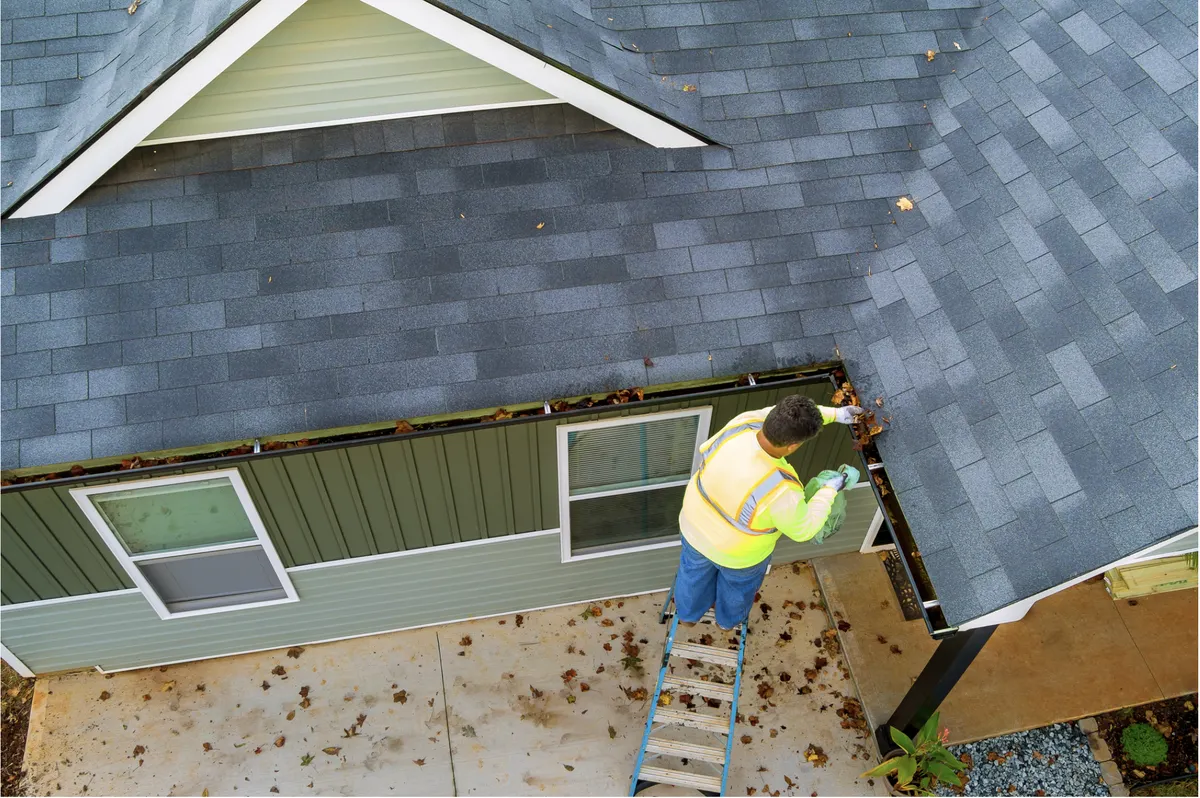
Fast, professional gutter repair for Dixie Alley storm damage, sagging channels, seam failures, and fascia rot. Emergency service available after severe weather events across Rutherford County.
Murfreesboro's position in the Dixie Alley tornado corridor means gutter systems endure conditions most regions never face. Middle Tennessee averages roughly 16 tornadoes per year, with straight-line winds, large hail, and intense downpours that can damage or destroy gutter systems in a single storm event. Between the severe weather, 52 inches of annual rainfall testing every seam and seal, and ice storms that strike approximately every five years, gutter repair is not a question of if but when for most Rutherford County homeowners.
The damage is not always dramatic. A slow-developing leak at a failed seam joint, a section that has gradually pulled away from the fascia board over years of debris weight, or hangers that have loosened through repeated freeze-thaw cycles — these quiet failures can cause as much structural damage as a tornado-torn gutter section. Water finding its way behind the fascia in Middle Tennessee's humid climate can trigger wood rot in weeks, turning a $150 repair into a $2,000 structural project if left unaddressed.
Dixie Alley storms produce the most dramatic gutter damage in Middle Tennessee. Straight-line winds exceeding 60 miles per hour can peel entire gutter runs from fascia boards, fold aluminum channels, and slam tree limbs through downspouts. Hailstones dent and crack gutters, compromising their structural integrity and creating points where standing water accelerates corrosion.
Post-storm repair often involves more than rehinging a loose section. Thorough storm damage assessment includes inspecting the fascia board behind the gutter for water intrusion, checking hanger integrity along the full run, evaluating downspout connections that may have shifted, and confirming proper slope has been maintained. A gutter that appears functional after a storm may have lost its slope — water pooling in a slightly misaligned channel accelerates wear and creates standing-water conditions that breed mosquitoes during Murfreesboro's warm months.
Emergency repair service is available for situations where storm damage creates immediate risk — a gutter hanging from the roofline, a detached downspout directing water against the foundation, or exposed fascia that will rot quickly if left unprotected during subsequent rainfall.

Emergency gutter repair available for Murfreesboro and Rutherford County properties.
Sagging is the most common gutter repair need in Murfreesboro, and it develops gradually. Every time it rains, gutters hold water and debris weight that pulls against hangers. In a region receiving 52 inches of annual rainfall with heavy debris loads from Eastern Red Cedar and oak-hickory forests, that cumulative stress adds up faster than in drier climates. Over 10 to 15 years, hangers loosen, screws back out from fascia boards, and the gutter begins to sag between support points.
The problem is compounded by builder-grade installations that used 36-inch hanger spacing — sufficient for light-rainfall regions but inadequate for Middle Tennessee's conditions. Repairing sagging gutters typically involves adding intermediate hangers at 24-inch intervals, replacing bent or failed hangers, and resetting the gutter to proper slope. When the fascia itself has softened from age or moisture exposure, hanger points may need to be relocated to sound wood.
Many homes built during Murfreesboro's 2000-to-2010 construction boom are now entering the age window where sagging becomes common. The average Murfreesboro home was built around 1999, placing original gutter systems at roughly 25 years of service — near the end of typical aluminum gutter lifespan under Middle Tennessee's demanding conditions.
Seam joints in sectional gutter systems are the most failure-prone component in Murfreesboro's climate. Sealant designed to last 10 years in moderate conditions degrades faster under Middle Tennessee's temperature swings — summer highs regularly exceeding 90 degrees followed by winter lows in the twenties create thermal cycling that breaks down even premium sealants within 7 to 8 years. Once a seam opens, water flows behind the gutter and down the fascia board.
Fascia rot is the expensive consequence of ignored seam failure. Middle Tennessee's ambient humidity means wood that stays consistently damp does not dry out between rain events the way it might in drier climates. Fascia boards can transition from sound wood to structurally compromised rot in a single season when a leaking seam or overflowing gutter maintains constant moisture contact. Repair involves removing the gutter, cutting out and replacing the rotted fascia section, treating adjacent wood, and reinstalling the gutter with fresh sealant and new hangers set into solid material.
The combination of seam resealing and fascia inspection should be part of every gutter repair call in Middle Tennessee. Resealing a failed seam costs $150 or less; replacing rotted fascia beneath a gutter that has been leaking for a full season can run $800 to $1,500 depending on the extent of damage.
While Middle Tennessee is not a heavy-snowfall region, ice storms strike the Murfreesboro area approximately every five years and can cause catastrophic gutter damage. Freezing rain coats gutter channels and downspouts with heavy ice, adding weight that far exceeds normal design loads. A single overnight ice accumulation can pull gutter sections from fascia boards, crush downspouts under falling ice sheets from the roof, and crack aluminum at stress points where hangers have already loosened from age.
Freeze-thaw cycling during winter months causes subtler damage. Water trapped in gutter channels and seam joints expands as it freezes, widening seam gaps and loosening hanger connections with each cycle. Over a winter with 20 or more freeze-thaw cycles, gutters can lose significant structural integrity without any single dramatic failure event.
Post-ice-storm inspection should include the full gutter run, all downspout connections, every hanger point, and the fascia board behind the gutter. Ice damage often reveals pre-existing weaknesses — hangers that were barely holding, seams that were nearly failed, fascia that had begun to soften. Addressing the full scope during a single repair visit prevents the cascading failures that turn one ice storm into years of ongoing problems.
Typical repair costs based on Rutherford County market data. All estimates are free with no obligation.
| Repair Type | Typical Cost | Notes |
|---|---|---|
| Seam Resealing | $75 – $150 | Per joint; includes cleaning and new sealant |
| Hanger Replacement | $100 – $250 | Depends on number of hangers and accessibility |
| Section Replacement | $8 – $15/LF | Includes removal, new section, and resealing |
| Standard Repair (general) | $150 – $500 | Covers most single-issue repair calls |
| Fascia Board Repair | $400 – $1,500 | Varies by extent of rot and board length |
| Emergency Storm Repair | $200 – $800 | Depends on damage scope; priority scheduling |
Pricing is approximate and varies by damage extent, building height, and accessibility. Contact Murfreesboro Gutter Pros for a free, detailed assessment.
Free gutter repair estimates for every Rutherford County property.
Most gutter repairs in Murfreesboro cost between $150 and $500 depending on the scope of damage. Section replacement runs $8 to $15 per linear foot. Simple fixes like resealing a leaking joint or reattaching a loose bracket fall at the lower end, while storm damage requiring fascia repair and multiple section replacements can reach the higher end. Emergency repairs after severe weather may carry a premium depending on demand and scheduling.
Common signs include visible sagging or pulling away from the fascia board, water dripping behind the gutter during rain, standing water in the channel after storms, peeling paint or staining on exterior walls below the gutter line, puddles forming at the foundation, and green mildew streaks on the fascia. In Murfreesboro's Dixie Alley climate, post-storm inspection is especially important — high winds and hail can damage gutters without obvious ground-level signs.
It depends on the extent of damage. Gutters with isolated dents from hail, one or two sections torn loose by wind, or localized seam failures can typically be repaired by replacing the affected sections and rehanging with new brackets. If more than 30 to 40 percent of the system is damaged, if the fascia board behind the gutters has developed rot, or if the gutters are already 15 to 20 years old, full replacement is usually more cost-effective than multiple repairs.
Murfreesboro sits in Dixie Alley, a secondary tornado corridor where Middle Tennessee averages roughly 16 tornadoes per year. Severe thunderstorms bring straight-line winds that can tear gutter sections from fascia boards, hail that dents and cracks aluminum channels, and heavy debris from fallen branches that crushes downspouts and bends hangers. Beyond tornadoes, the region's 52 inches of annual rainfall tests every joint and seal, while ice storms every five years add extreme weight loads that loosen fasteners and crack seams.
Fascia rot develops when water consistently reaches the wood behind the gutter channel. Common causes include overflowing gutters clogged with Eastern Red Cedar needles and oak leaves, failed seam sealant allowing water to seep behind the gutter, and loose hangers that create gaps between the gutter back and the fascia. Middle Tennessee's high humidity accelerates the rot process — wood that might survive occasional moisture in a drier climate deteriorates quickly when combined with Murfreesboro's persistent humidity and 52 inches of annual rainfall.
Emergency gutter repair is available for Murfreesboro and Rutherford County properties after severe weather events. Tornado and straight-line wind damage often leaves gutters hanging from fascia boards or completely detached, creating immediate risk of water intrusion and additional structural damage. Prompt repair prevents cascading problems — a gutter torn loose during a spring storm can allow water behind the fascia during the heavy rainfall that follows, turning a $200 repair into a $2,000 fascia and soffit replacement.
Professional gutter repair with free assessments and transparent pricing for every Murfreesboro and Middle Tennessee property.
Call For Free Estimate